Air compressors are widely used to power air tools and industrial pneumatic tools in workshops, factories, and construction sites. While the external structure may look simple, a compressed air system contains several internal components that work together to generate, store, and deliver compressed air.
Understanding these components helps operators choose the right equipment, maintain performance, and match compressors with applications ranging from portable units with smaller tanks to industrial machines designed for heavy duty work.
This guide explains the main components of an air compressor and how each part functions within a compressed air system.
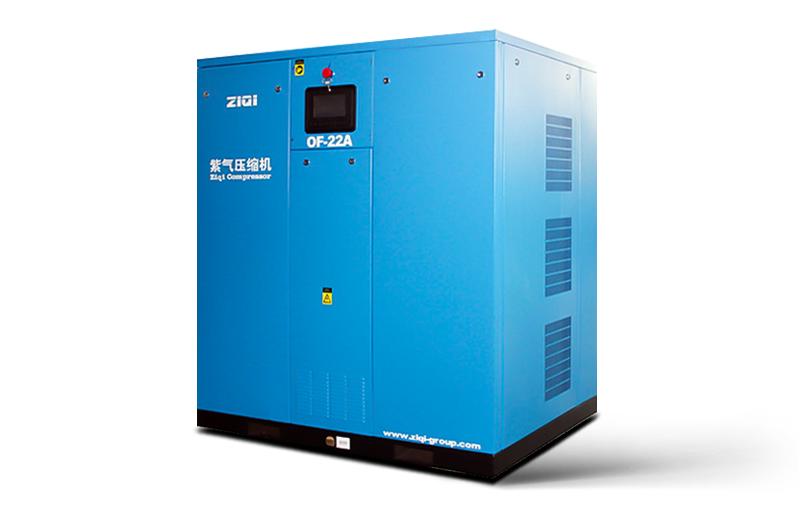
A compressed air system converts mechanical energy into pressurized air and distributes it through hoses or pipelines to operate air tools and other pneumatic tools.
A typical system includes:
Depending on the design, compressors may feature smaller tanks for portable work or larger tanks for workshops and industrial production.
The pump is the component that compresses atmospheric air and increases its pressure before sending it to the storage tank.
There are several pump types:
Reciprocating pumps are commonly used in compressors designed for air tools, while rotary screw systems are often found in heavy duty industrial environments that require continuous airflow.
The motor provides the power needed to drive the compressor pump.
Air compressors generally use:
Portable jobsite units, including twin stack compressors, often rely on electric motors that balance power output with portability.
The intake filter prevents dust, dirt, and debris from entering the compressor pump.
Clean air intake improves:
Filters should be inspected regularly, especially in industrial environments where dust levels are higher.
The air receiver tank stores compressed air after it leaves the pump. The tank size determines how long the compressor can power air tools before the pump restarts.
Compressors with smaller tanks are typically used for portable applications such as:
Advantages include portability and compact size, making them suitable for home garages and small workshops.
Compressors equipped with larger tanks can supply air for longer periods without frequent motor cycling.
They are common in:
Large air tanks help maintain stable pressure when multiple pneumatic tools operate at the same time.
A twin stack air compressor features two horizontal tanks connected together.
This design offers several benefits:
Contractors often choose twin stack compressors when they need mobility while still running several air tools at job sites.
The pressure switch automatically controls compressor operation.
Its functions include:
This automated control helps maintain consistent pressure for pneumatic tools and prevents unnecessary motor operation.
The pressure regulator allows users to adjust the output pressure delivered to tools.
Different air tools require different pressure levels. For example:
The regulator ensures the correct air pressure reaches each tool.
The safety relief valve releases air if the tank pressure exceeds safe operating limits.
This component protects the compressor system from excessive pressure buildup and helps maintain safe operation in heavy duty environments.
Compressing air generates heat. Cooling systems prevent overheating and maintain stable operation.
Cooling methods may include:
Industrial compressors designed for heavy duty operation typically include advanced cooling features to handle continuous workloads.
Many compressors use oil lubrication to reduce friction inside moving parts such as pistons and bearings.
Benefits include:
Oil-free compressors are also available and are often used in environments where clean air is required, such as food processing or medical equipment manufacturing.
Industrial compressed air systems often include additional equipment:
Air dryers
Remove moisture from compressed air.
Aftercoolers
Reduce air temperature before it enters storage tanks.
Air distribution piping
Delivers compressed air throughout factories to supply multiple pneumatic tools.
These components are more common in facilities using compressors with larger tanks and high airflow capacity.
Compressed air systems support a wide range of industries.
Common tools include:
These shops often use compressors with larger tanks to operate multiple air tools.
Portable compressors are widely used for:
Many contractors prefer twin stack compressors because they combine portability with sufficient air capacity.
Factories rely on compressed air to operate automated pneumatic tools and machinery.
These environments often require heavy duty compressors capable of running continuously throughout the workday.
The primary components include the compressor pump, motor or engine, air intake filter, storage tank, pressure switch, regulator, safety valve, and cooling system.
The air storage tank holds compressed air so that air tools and pneumatic tools can operate without the pump running constantly.
Yes. Twin stack compressors provide more air storage than small single-tank models while remaining portable, making them suitable for contractors and jobsite applications.
Compressors with smaller tanks are portable and designed for light tasks, while compressors with larger tanks provide longer operating time and are commonly used in workshops and industrial environments.
Heavy duty compressors must support continuous operation, higher airflow demand, and multiple pneumatic tools, which requires stronger motors, larger pumps, and higher-capacity air storage.
An air compressor system consists of several components that work together to generate and deliver compressed air. From the pump and motor to storage tanks and pressure regulators, each part contributes to stable airflow and reliable operation.
Portable compressors with smaller tanks and twin stack configurations are well suited for contractors and mobile work, while industrial systems with larger tanks are designed for workshops and heavy duty manufacturing environments.
Understanding these components helps businesses select the right compressor and maintain efficient performance when powering air tools and pneumatic tools.