Selecting the right air compressor is not only about horsepower or brand. The correct machine depends on the tools you plan to run, the required pressure, the tank capacity, and the type of work environment. Whether the compressor is used for air tools, professional pneumatic tools, or heavy-duty industrial applications, understanding these factors helps avoid underpowered systems or unnecessary overspending.
This guide explains how to choose the right air compressor by looking at size, pressure, tank configuration, and application needs.
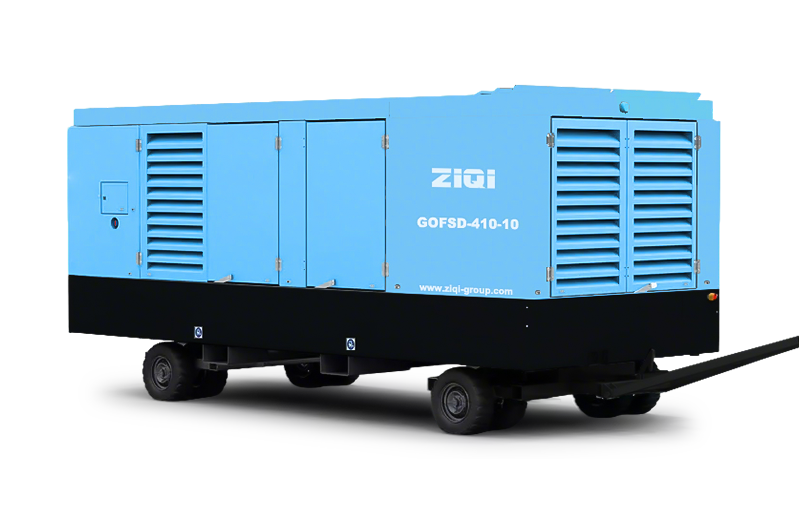
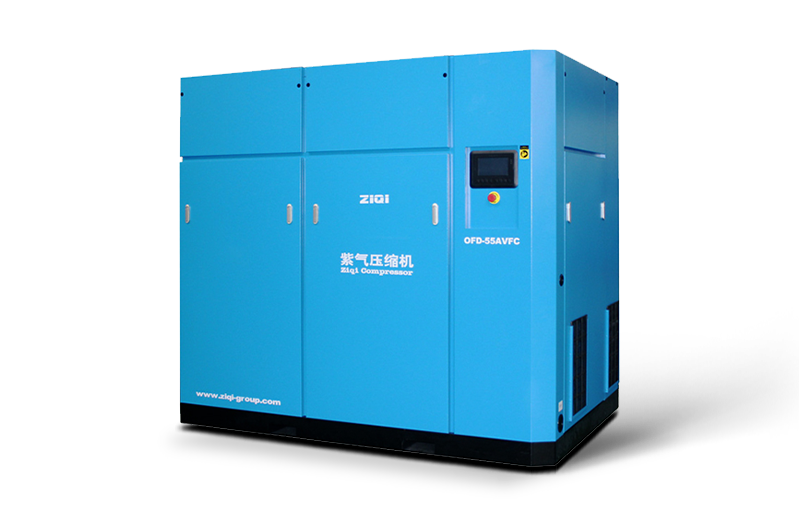
An air compressor converts mechanical energy into compressed air, storing it inside a tank so that it can power equipment such as air tools and other pneumatic tools. These tools use compressed air to perform tasks including drilling, fastening, sanding, painting, and cleaning.
Air compressors are commonly used in:
The right compressor must supply enough airflow and pressure for the tools connected to it.
Airflow is measured in CFM (Cubic Feet per Minute) and represents the amount of air a compressor can deliver.
Different pneumatic tools require different airflow levels.
Typical airflow requirements:
| Tool | Average CFM |
|---|---|
| Nail gun | 1–2 CFM |
| Impact wrench | 4–5 CFM |
| Air drill | 3–6 CFM |
| Spray gun | 6–12 CFM |
| Grinder | 8–10 CFM |
If multiple air tools are used simultaneously, the compressor must provide enough airflow for all of them combined.
A good rule is to choose a compressor with 20–30% higher CFM capacity than the total required airflow.
Air pressure is measured in PSI (Pounds per Square Inch). Most workshop pneumatic tools operate within a pressure range of 90–120 PSI.
Examples:
A compressor should always provide slightly higher pressure than the tool requirement to maintain stable performance during operation.
The tank stores compressed air and determines how long the compressor can run tools before the motor needs to refill the tank.
Compressors with smaller tanks (typically 1–10 gallons) are designed for portability and light tasks.
Common uses include:
Advantages:
However, compressors with smaller tanks may run more frequently because they store less air.
Compressors with larger tanks (20–80 gallons or more) are built for continuous operation.
Typical applications include:
Advantages:
For workshops running multiple air tools, larger tanks help maintain consistent airflow.
A twin stack air compressor uses two horizontal tanks instead of a single vertical tank.
This design offers several benefits:
Twin stack compressors are widely used by contractors and technicians who need reliable airflow while still maintaining portability.
They are often paired with tools such as:
Not every compressor is designed for heavy duty work. Industrial operations require machines capable of running continuously under demanding conditions.
Heavy-duty compressors typically feature:
Industries that require heavy duty compressors include:
Choosing an underpowered compressor in these environments often leads to overheating, pressure drops, and increased maintenance.
Different tasks require different compressor configurations.
Recommended features:
Typical applications:
Recommended features:
Typical applications:
Recommended features:
Typical applications:
Understanding compressor types also helps in choosing the right system.
When selecting an air compressor, consider these practical factors:
Power source
Noise level
Some compressors include noise-reduction features for indoor workspaces.
Maintenance requirements
Industrial compressors may require regular oil checks, filter replacement, and system inspections.
The correct size depends on the airflow requirement of the air tools. Add the CFM requirements of all tools that may run simultaneously, then choose a compressor with higher output than the total.
Twin stack compressors offer improved portability and balanced weight distribution. They provide more air storage than a single small tank while remaining compact, which makes them popular for construction jobs.
Compressors with larger tanks are recommended for continuous use, multiple pneumatic tools, or workshop environments where consistent air supply is needed.
Compressors with smaller tanks can run light tools, but they may struggle with heavy duty applications. For demanding equipment such as grinders or sanders, a larger tank and higher airflow capacity are usually required.
Most pneumatic tools operate between 90 and 120 PSI, though certain industrial equipment may require higher pressure levels.
Choosing the right air compressor involves understanding airflow, pressure, tank capacity, and application requirements. Portable units with smaller tanks work well for light tasks, while industrial environments often require compressors with larger tanks and higher output. Contractors may prefer twin stack models for their balance between portability and performance.
By matching the compressor to the specific air tools, pneumatic tools, and workload involved, businesses and technicians can achieve stable performance, longer equipment life, and more efficient operations.