Compressed air is widely used across modern industry. From assembly lines and food packaging to laboratory equipment and hospital systems, air compressors support a wide range of operations. Different compressor configurations—such as portable units with smaller tanks, twin stack designs, or stationary systems with larger tanks—serve different operational needs.
This guide explains how compressed air is used in major industries, the types of equipment involved, and how businesses choose the right compressor system for specific applications.
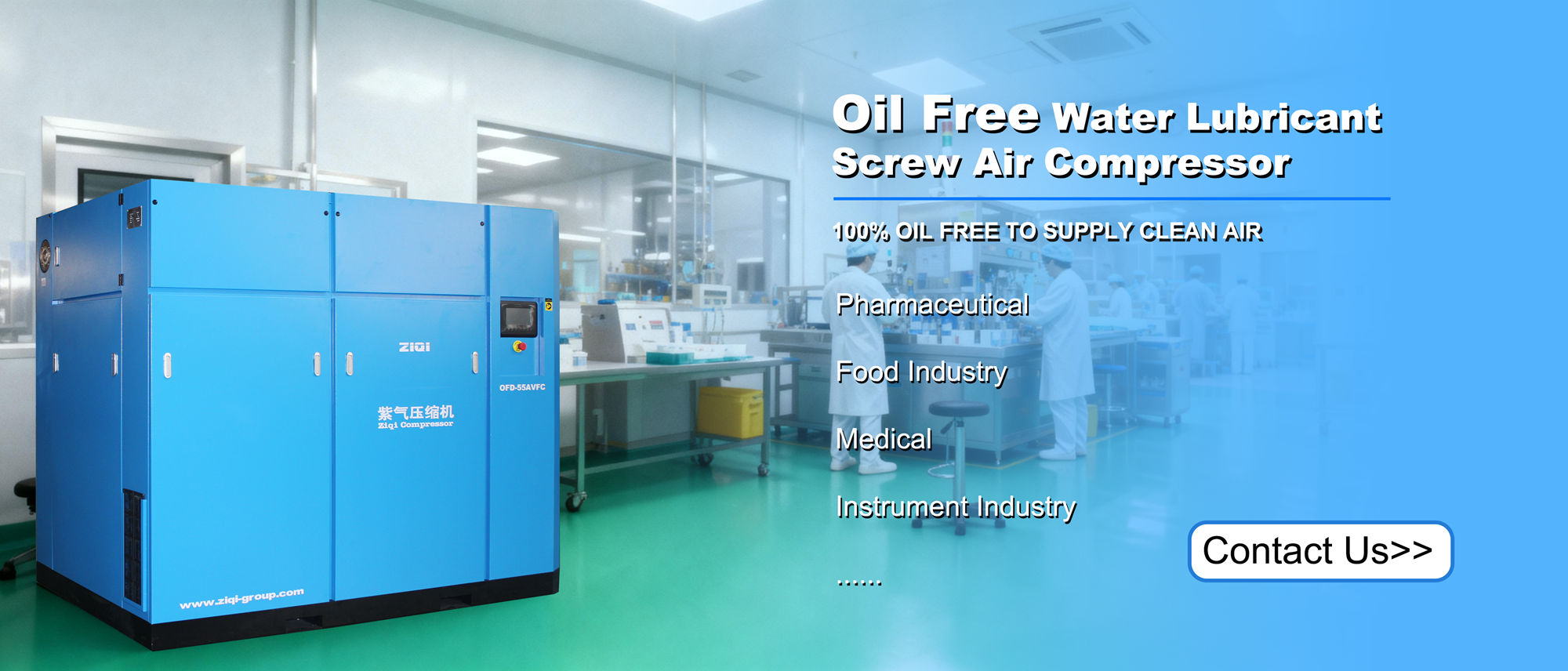
Air compressors are used across many industries to power pneumatic tools, operate automation equipment, and supply clean compressed air for production processes. Common applications include manufacturing machinery, food packaging systems, medical equipment, construction tools, and workshop air tools.
Compressed air is often called the “fourth utility” in industrial environments, alongside electricity, water, and gas. It is popular because it offers several advantages:
Because compressed air systems can be scaled with different compressor sizes, tanks, and configurations, they can support everything from handheld tools to large industrial processes.
Manufacturing facilities rely heavily on compressed air systems to operate production lines and support equipment maintenance.
Many factories use pneumatic tools for tasks such as:
Compared with electric tools, pneumatic systems can deliver consistent torque and are easier to maintain in high-cycle environments.
Compressed air powers actuators, cylinders, and valves used in automated machinery. These components help control motion and positioning in:
Industrial compressors with larger tanks are often installed to maintain stable air supply during peak production.
Manufacturing plants also use compressed air for equipment cleaning, dust removal, and surface preparation before coating or painting.
Construction sites and repair workshops depend on portable air compressors to power air tools.
Tools such as nail guns, staplers, and impact wrenches rely on compressed air for fast and consistent operation. Portable compressors are common in these environments because they provide mobility and quick setup.
Several portable compressor designs are widely used:
A twin stack compressor features two horizontal tanks mounted on a frame. This design improves stability and provides additional air storage without increasing overall height.
Twin stack units are commonly used for:
Portable compressors with smaller tanks are easier to transport and are often used for light-duty applications, including:
Although compact, these compressors still provide adequate airflow for many pneumatic tools.
The food and beverage industry uses compressed air in several production processes. In these environments, air quality standards are often strict because compressed air may come into contact with food or packaging.
Compressed air supports equipment used for:
Clean compressed air systems are typically used to reduce contamination risks.
Air compressors power blow-molding machines that produce plastic bottles and containers used in beverage packaging.
Compressed air can also help remove dust and particles from machinery and conveyor systems during sanitation procedures.
Hospitals and laboratories rely on compressed air systems for several specialized tasks.
Compressed air supports equipment such as:
Medical compressors are designed to provide stable airflow and reliable operation.
In healthcare environments, compressed air is used during sterilization processes and for cleaning medical instruments.
Automotive manufacturing and repair facilities use compressed air for both production and maintenance.
Impact wrenches, grinders, and polishing tools powered by compressed air are widely used in vehicle assembly.
Compressed air is essential for spray painting and coating operations, where consistent airflow ensures smooth finishes.
Selecting the right compressor depends on several factors.
Facilities must determine the airflow required to operate pneumatic tools and equipment.
Compressor tank size influences air storage capacity.
Some compressors are designed for intermittent use, while others handle heavy duty workloads in continuous production environments.
Portable units, including twin stack compressors, are ideal for construction and field work, while stationary compressors are common in factories.
Compressed air systems offer several operational benefits:
These advantages explain why compressed air technology continues to be widely adopted across industrial sectors.
Air compressors are used in manufacturing, food and beverage processing, healthcare, automotive production, construction, and maintenance workshops.
Pneumatic tools use compressed air to perform tasks such as drilling, fastening, sanding, grinding, and painting.
A twin stack air compressor has two horizontal air tanks mounted together, providing more air storage and stability for portable jobsite use.
Compressors with smaller tanks are typically used for portable applications and light-duty tasks, while large factories often require compressors with larger tanks.
Construction sites prefer air tools because they are durable, lightweight, and capable of handling demanding tasks such as nail gun operation and fastening.
Air compressors support many industrial and commercial processes, from manufacturing automation and food and beverage packaging to healthcare equipment and construction tools. Whether using portable systems with smaller tanks, jobsite twin stack compressors, or industrial units with larger tanks, compressed air remains a flexible and efficient power source for a wide range of pneumatic tools and heavy duty applications.