Compressed air is widely used throughout the food and beverage industry, from processing and packaging to bottling and product transportation. Because compressed air often comes into direct or indirect contact with food products, maintaining air quality is a top priority. For this reason, many manufacturers choose an oil free compressor instead of conventional oil-lubricated systems.
This article explains why oil-free technology is important in food production, how it supports product quality and regulatory compliance, and what factors should be considered when selecting a compressor for food and beverage applications.
The food and beverage industry uses oil-free air compressors to prevent oil contamination in compressed air systems. Oil-free compressors help maintain product quality, support food safety standards, reduce contamination risks, and provide clean air for processing, packaging, bottling, and pneumatic equipment.
Many people associate air compressors with construction sites and workshops powering a nail gun, air tools, or other pneumatic tools. However, compressed air is equally important in modern food manufacturing facilities.
Common applications include:
Because compressed air may come into contact with products or packaging, contamination control is essential.
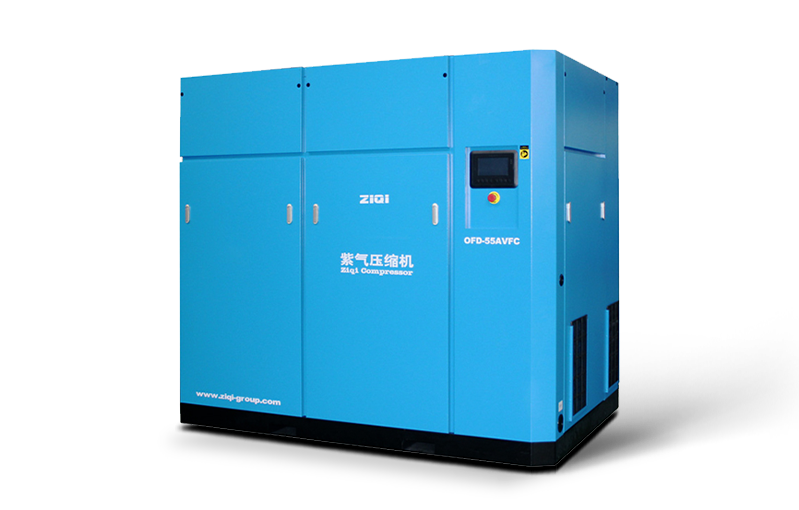
An oil-free air compressor is designed so that oil does not enter the compression chamber where air is compressed. This allows the system to produce cleaner compressed air without the risk of oil carryover.
Unlike traditional oil-lubricated compressors, oil-free units eliminate one of the most common sources of compressed air contamination.
Many food manufacturers use oil-free rotary screw compressors, oil-free scroll compressors, or oil-free centrifugal compressors depending on production requirements.
Even a small amount of oil contamination can create problems in food processing environments.
Potential consequences include:
Oil contamination can also affect product taste, appearance, and shelf life.
For facilities producing beverages, dairy products, baked goods, snacks, or packaged foods, maintaining clean compressed air is a standard operating requirement.
Oil-free compressors help reduce contamination risks throughout the production process.
Compressed air may be used for:
Clean air supports safer production environments.
Food manufacturers invest heavily in quality control.
Oil-free compressed air helps maintain:
This is especially important for products that undergo sensitive processing procedures.
Traditional oil-lubricated systems often require:
Oil-free systems simplify maintenance and reduce contamination-related service requirements.
Food manufacturers must meet strict quality and safety requirements.
Oil-free compressors are commonly selected to support:
Many facilities also choose compressors certified for high-purity compressed air applications.
Compressed air operates automated packaging machinery and sealing equipment.
Clean air helps maintain package integrity and product quality.
Beverage plants use compressed air for:
Oil-free air helps reduce contamination risks.
Many production facilities transport ingredients using compressed air systems.
Examples include:
Oil-free air protects product purity throughout transportation.
Modern food facilities use numerous pneumatic components, including:
These systems depend on a reliable source of clean compressed air.
Several factors should be considered when choosing a compressor.
Production volume determines required airflow capacity.
Facilities with large-scale operations may require multiple compressors or centralized compressed air systems.
Continuous production lines often require industrial rotary screw compressors capable of operating around the clock.
Food processing applications generally demand cleaner compressed air than standard industrial operations.
Important compressor features may include:
Compressed air systems often include storage tanks to stabilize pressure and accommodate demand fluctuations.
Smaller tanks are suitable for:
Larger tanks are often used in:
Properly selected tank sizes help improve system performance and efficiency.
Most food plants use stationary industrial compressors, but a portable air compressor can be useful for:
Portable systems are not usually the primary compressed air source for food production but can support maintenance teams when needed.
A twin stack compressor uses two horizontal tanks mounted together to provide additional air storage.
Maintenance departments may use twin stack units for:
These compressors offer portability while providing more stored air than many single-tank designs.
Large food manufacturing plants often operate around the clock.
These heavy duty environments require compressors capable of:
Industrial rotary screw compressors are frequently selected for such demanding tasks.
Many people are familiar with compressors used for:
For example, a compressor used for inflating tires may have very different requirements from a food production system.
Food manufacturing focuses on:
Workshop applications prioritize portability and convenience.
Oil-free compressors help reduce contamination risks and provide cleaner compressed air for food production, packaging, and processing operations.
Yes. Oil contamination can affect product quality, packaging integrity, and compliance with food safety requirements.
A portable air compressor can be useful for maintenance work and temporary tasks, but most production facilities rely on larger stationary systems.
Tank sizes vary depending on air demand. Smaller tanks may support localized applications, while larger tanks are often used in centralized industrial systems.
Important compressor features include oil-free operation, energy efficiency, reliable airflow, monitoring capabilities, and compatibility with air treatment equipment.
Twin stack compressors are generally used for maintenance and service applications rather than primary production systems.
The food and beverage industry depends on clean compressed air for packaging, bottling, conveying, automation, and processing operations. Oil-free air compressors help reduce contamination risks, support food safety standards, and maintain product quality throughout the production process.
Whether selecting a centralized industrial system with larger tanks or evaluating specialized compressor features for a specific production line, choosing the right oil-free compressor can improve operational reliability and support long-term manufacturing goals.