Power electronics manufacturing is at the heart of many modern technologies, including electric vehicles, renewable energy systems, industrial automation equipment, energy storage solutions, and consumer electronics. As production processes become increasingly automated and precise, manufacturers must maintain strict control over environmental conditions and production quality.
One often-overlooked factor is the quality of the compressed air used throughout the factory. From automated assembly lines to component cleaning and packaging systems, compressed air directly affects production efficiency, product consistency, and equipment reliability.
This article explains why clean compressed air matters in power electronics manufacturing, the risks associated with contaminated air, and how the right compressed air system can help improve overall manufacturing quality.
Clean compressed air helps power electronics manufacturers reduce contamination risks, improve product consistency, protect sensitive components, and maintain reliable production processes. Using properly treated compressed air with appropriate filtration and drying equipment can help prevent defects caused by moisture, oil, and airborne particles.

Modern power electronics facilities rely on compressed air for a wide range of production processes.
Common applications include:
Because many electronic components are highly sensitive, even small amounts of contamination can affect manufacturing outcomes.
Many manufacturers focus on machinery, materials, and workforce training while paying less attention to compressed air quality.
However, compressed air can carry contaminants such as:
Water vapor naturally exists in compressed air. Without proper treatment, condensation can form within the system.
Potential issues include:
Oil can enter the air stream from compressors that use lubricants during the compression process.
Even small amounts of oil contamination may result in:
Many manufacturers choose an oil free air compressor to reduce these risks.
Dust, rust, and airborne particles can enter the compressed air network.
These contaminants may:
Consistency is one of the primary goals in electronics production.
A properly designed compressed air system delivers stable pressure and clean air to production equipment, helping manufacturers maintain uniform product quality across multiple production runs.
Power electronics products often include:
These components can be affected by contamination during production.
Using clean compressed air helps maintain cleaner production environments and reduces the likelihood of contamination-related defects.
Contaminated air can cause problems for:
Cleaner air reduces wear and helps maintain reliable equipment operation.
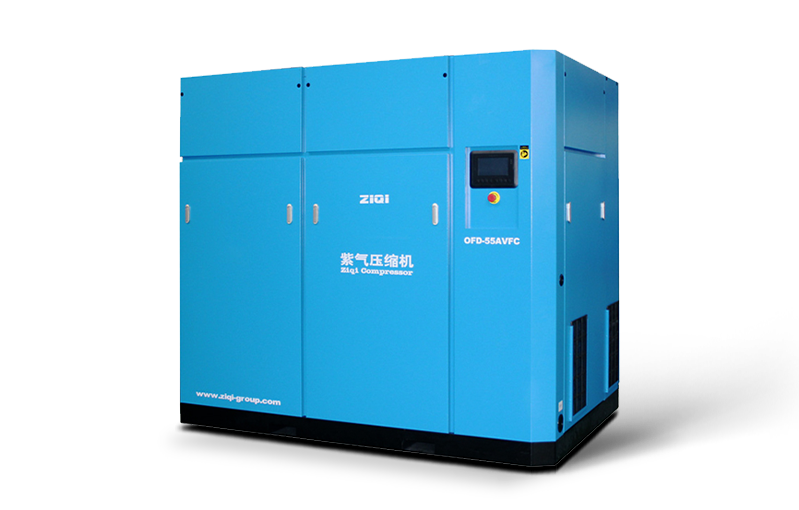
Many electronics manufacturers select an oil free air compressor because it eliminates the possibility of oil entering the compression chamber.
Benefits include:
Oil-free technology is commonly used in industries where air quality requirements are particularly demanding.
A rotary screw compressor is one of the most common compressor types found in electronics manufacturing facilities.
Advantages include:
Production lines often operate for long periods.
Rotary screw compressors provide steady airflow that supports uninterrupted manufacturing.
Modern rotary screw systems are designed to reduce energy consumption while maintaining reliable performance.
Compared with some alternative compressor technologies, rotary screw units generally operate more smoothly and quietly.
Rotary screw systems work effectively with:
An air dryer is an essential component of many electronics manufacturing facilities.
Its primary function is to remove moisture before compressed air reaches production equipment.
Common dryer types include:
Suitable for many general industrial applications.
Often used when very low moisture levels are required.
Proper drying helps prevent condensation and protects sensitive equipment.
Even after compression and drying, contaminants may still remain in the air stream.
A precision filter helps remove:
Combining multiple filtration stages often provides the best results for electronics manufacturing environments.
Modern industrial automation depends heavily on pneumatic systems.
Examples include:
Reliable compressed air helps these systems operate accurately and consistently.
When air quality deteriorates, automation equipment may experience performance issues that affect production output.
An effective compressed air system for power electronics manufacturing typically includes:
Each component contributes to maintaining air quality and system reliability.
Manufacturers can improve compressed air quality by following several best practices:
Testing helps identify contamination issues before they affect production.
A clogged filter reduces efficiency and may allow contaminants to pass through the system.
Dew point monitoring helps ensure moisture remains under control.
Leaks, corrosion, and damaged piping can affect system performance.
Routine maintenance helps maintain reliable compressor operation and consistent air quality.
Compressed air powers automation equipment, cleaning systems, pneumatic actuators, packaging machinery, and production line equipment throughout electronics manufacturing facilities.
Common contaminants include moisture, oil, dust, rust particles, and airborne debris.
Oil-free compressors help reduce contamination risks and provide cleaner compressed air for sensitive production processes.
An air dryer removes moisture from compressed air, helping prevent condensation and equipment-related problems.
A precision filter removes fine particles, oil aerosols, and other contaminants that may affect product quality and equipment performance.
A rotary screw compressor is widely used because it provides continuous airflow, reliable operation, and compatibility with advanced air treatment systems.
As power electronics manufacturing continues to advance, maintaining high production standards requires attention to every part of the process—including compressed air quality. Moisture, oil, and particulate contamination can affect both products and equipment, leading to unnecessary costs and production challenges.
By combining a properly designed compressed air system, an oil free air compressor or high-quality rotary screw compressor, an effective air dryer, and a precision filter, manufacturers can achieve cleaner air, improve operational reliability, and support consistent product quality across their production lines.