Compressed air systems are widely used in manufacturing, processing, and automation. Choosing the right type of compressor depends on air purity, operating conditions, and application requirements. Among the most common options are oil-free compressors and oil-injected rotary screw compressors. This guide explains how they work, their differences, costs, and industrial applications.
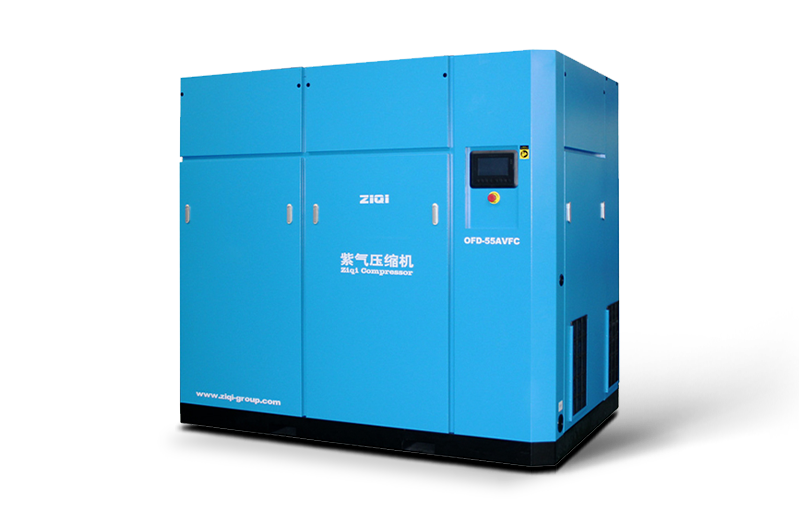
An oil free compressor produces compressed air without oil contamination. The compression chamber is designed with coatings or materials that reduce friction without lubrication. These machines deliver oil free air, which is essential for industries that require high air quality standards.
Oil-free designs include scroll compressors, centrifugal compressors, and oil-free rotary screw units. They are often used when air purity is a priority.
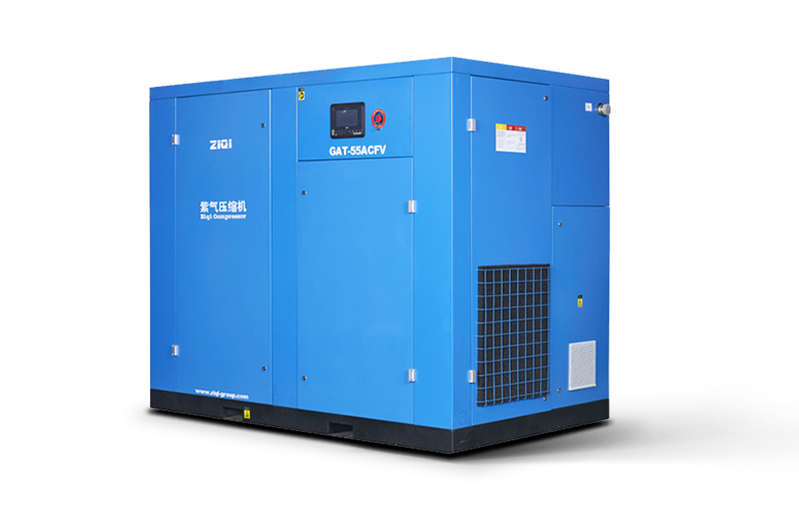
Oil injected air compressors use oil inside the compression chamber to lubricate moving parts, seal gaps, and remove heat. This design improves efficiency and durability, especially in continuous-duty environments.
Oil injected rotary screw compressors are one of the most common industrial compressed air solutions due to their stable performance and wide range of capacities.
| Feature | Oil-Free Compressor | Oil-Injected Air Compressor |
|---|---|---|
| Air purity | 100% oil-free air | Trace oil content |
| Lubrication | No oil in compression chamber | Oil lubricated compressors |
| Initial cost | Higher | Lower |
| Energy efficiency | Moderate | Energy efficient |
| Maintenance | Lower oil handling | Regular oil and filter service |
| Typical use | Sensitive industries | Wide range of industrial uses |
In any rotary screw air compressor or piston compressor, the compression chamber is where air pressure increases.
When comparing compressors, buyers evaluate total cost of ownership, including:
Oil-free compressors generally cost more due to advanced materials and manufacturing.
Oil-injected rotary screw compressors are often more energy efficient under heavy loads.
Oil-free systems may reduce contamination risk costs, while oil-injected systems often provide longer service life in harsh environments.
Many modern compressors use variable speed drives to adjust output to demand. This improves energy efficiency, reduces power consumption, and stabilizes compressed air pressure.
Both oil-free and oil-injected compressors can integrate VSD systems for optimized performance.
Oil-free and oil-injected designs are commonly used in rotary screw systems for industrial environments.
When selecting a compressor, consider:
Oil-free compressors provide higher air quality, while oil-injected compressors offer lower cost and high durability. The best option depends on the application.
Oil-injected compressors can introduce trace oil into compressed air. Filtration systems are often used to meet air quality standards.
Oil-injected compressors typically have lower purchase costs, while oil-free compressors may reduce contamination-related expenses over time.
Yes, oil-free rotary screw and centrifugal compressors can operate continuously, especially in industrial environments with proper cooling systems.
Some piston compressors are oil-free, but many are oil-lubricated. Oil-free piston compressors are often used in dental and laboratory settings.
Industries such as food and beverage, pharmaceuticals, electronics, and medical systems often require oil-free compressed air.
Oil free air contains no oil contamination, while oil injected air may contain trace oil particles unless filtered.
Oil-free and oil-injected air compressors serve different industrial needs. Oil-free systems deliver high air purity for regulated environments, while oil-injected compressors offer cost-effective, energy efficient compressed air for general industry. Evaluating air quality requirements, operating costs, and application requirements helps buyers select the right solution.