Air compressors include different compression designs to meet varying pressure and duty requirements. One common classification is single stage models and two-stage (2-stage) compressors. Understanding what 2-stage means helps buyers choose the right compressor for pneumatic tools, industrial applications, and higher pressure requirements.
This guide explains how stage compressors work, their advantages, and how they differ from single-stage systems.
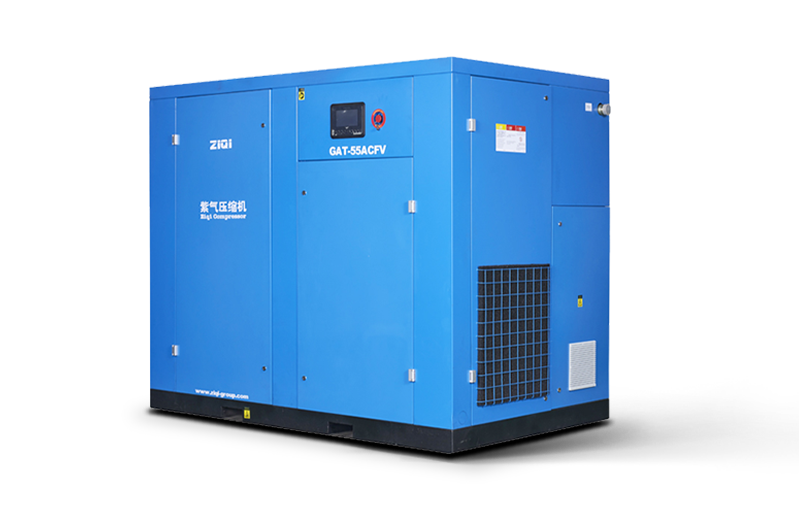
A 2-stage air compressor compresses air in two steps. Air is first compressed in one cylinder, cooled, and then compressed again in a second cylinder to reach higher pressure and improved efficiency. Two-stage compressors are commonly used for heavy-duty and industrial applications.
In stage compressors, air is compressed in multiple steps instead of one continuous process.
This stage and two stage design reduces heat and improves compression efficiency.
| Feature | Single Stage Models | Two-Stage Compressors |
|---|---|---|
| Compression process | One compression step | Two compression steps |
| Maximum pressure | Up to ~125–150 psi | Up to 175 psi or higher pressure |
| Duty cycle | Intermittent | Heavy duty |
| Efficiency | Moderate | Higher efficiency |
| Typical use | Small workshops | Industrial applications |
In a rotary screw air compressor, stage air refers to compression stages within the screw element design.
Two-stage rotary screw designs are often used in factories where continuous compressed air supply is required.
Two-stage compressors are ideal for operations requiring continuous compressed air and stable pressure. They are commonly used for:
They handle pneumatic tools and heavy-duty equipment more effectively than single-stage compressors.
Two-stage compressors often deliver 175 psi or more. This higher pressure supports:
Single-stage compressors typically operate at lower pressure levels, making them less suitable for demanding tasks.
Two-stage compression reduces heat buildup and improves energy efficiency.
Lower operating temperatures reduce wear on components.
Two-stage compressors support continuous operation and large air demands.
Industrial processes benefit from consistent air pressure and flow.
Single-stage systems are widely used in garages, workshops, and small factories.
Two-stage compressors are used in many industrial applications, including:
When selecting a compressor, consider:
Two-stage compressors are recommended for continuous operation and higher pressure requirements.
It means air is compressed in two steps using two cylinders or compression sections, allowing the compressor to reach higher pressure with better efficiency.
Two-stage compressors provide higher pressure, better efficiency, and longer service life, while single-stage compressors are more affordable and suitable for light-duty use.
Many two-stage compressors deliver around 175 psi or higher, depending on design and model.
Rotary screw compressors can be single-stage or two-stage, with two-stage designs used for improved efficiency and industrial-scale operations.
Yes, two-stage compressors are ideal for heavy-duty pneumatic tools that require high and stable air pressure.
Two-stage compressors are used in manufacturing, automotive, construction, mining, and other industrial applications requiring continuous compressed air.
Two-stage air compressors compress air in two steps to achieve higher pressure and improved efficiency. Compared with single-stage models, they are better suited for heavy-duty and industrial applications that require stable compressed air supply. Selecting the right type depends on pressure requirements, duty cycle, and application needs.